
Power
Overnight operation with acceptable charge cycles — continuous sensing cannot be an afterthought on the energy budget.
Case study · Client anonymized — published with approval
An on-device sleep intelligence platform where comfort, milliwatt budgets, and acoustic signal quality all had to win at once.
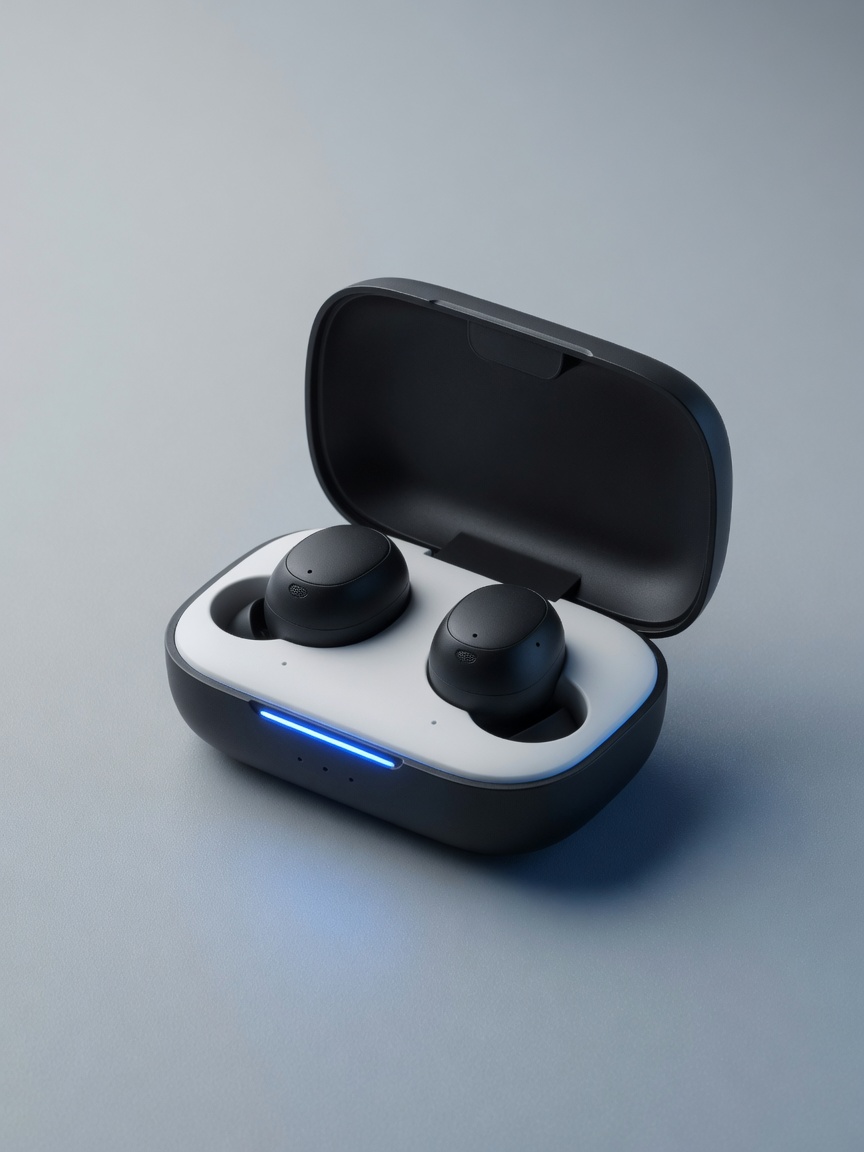
Sleep hardware fails when engineering optimizes for the lab instead of the night: heat, pressure points, battery anxiety, and models that only work with pristine signals. This program forced intelligence, acoustics, and industrial design into one envelope.
The problem
Consumer health products that claim AI often push work to the phone and drain trust. The brief required meaningful inference near the user — with comfort and battery life treated as non-negotiable product requirements.
Constraints
Overnight operation with acceptable charge cycles — continuous sensing cannot be an afterthought on the energy budget.
Thermal, mechanical, and acoustic presence had to disappear into the product experience.
Models are useless if the sensor chain is noisy under real sleeping conditions.
Inference that fits memory and latency budgets without a always-on high-power path.
Approach
We locked the physical and electrical envelope before model ambition: sensing chain, compute class, duty cycle, and what must remain local versus cloud. That order prevented an AI demo that could never ship as hardware.
Tell us the system, the constraints, and the decision you need next. We will tell you honestly whether Axon Labs is the right engineering partner — and at which phase to start.