
Sensor front-end
Noise floor, sampling strategy, and analog path integrity before software tries to “fix” a weak chain.
Case study · Representative program — details anonymized
A compact sensing and compute platform balancing signal quality, power, RF coexistence, and a form factor that still assembles cleanly.
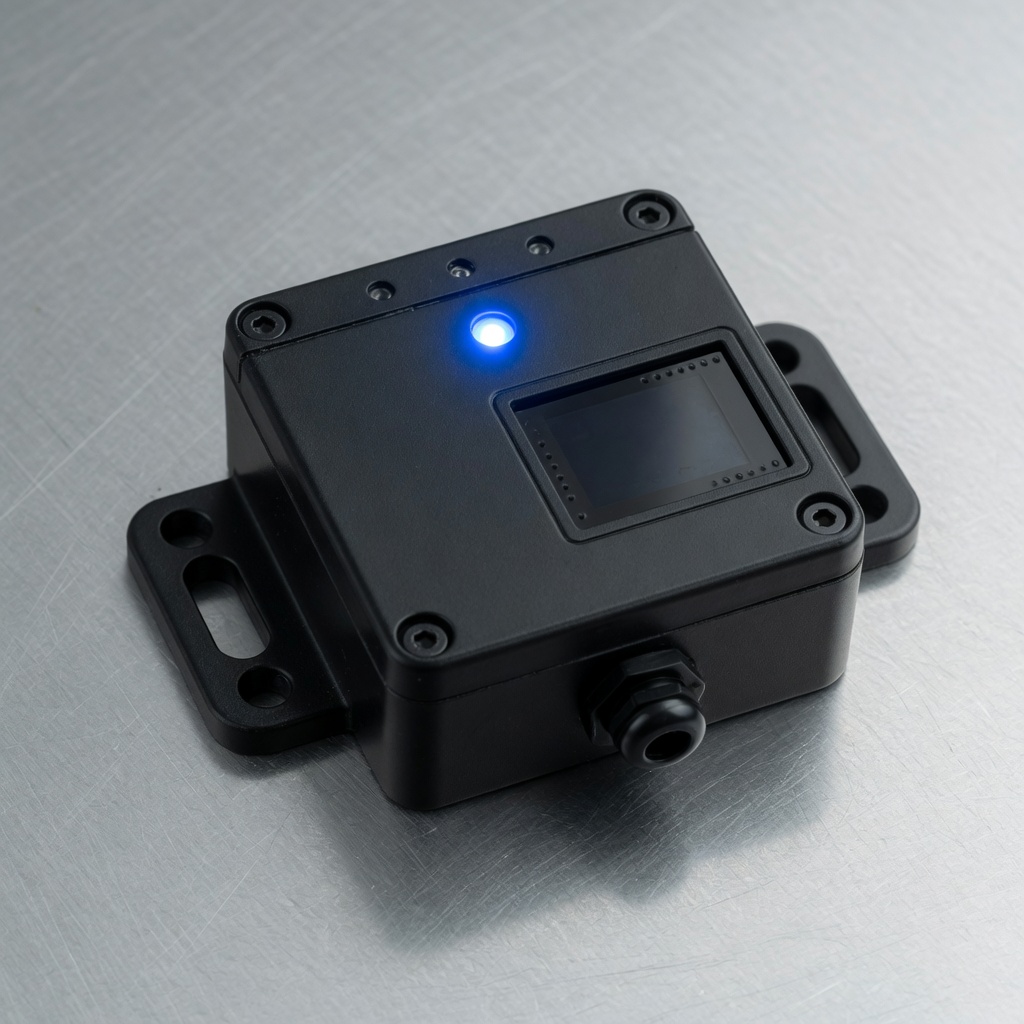
Between the sensor, the MCU, the radio, and the plastic is where most programs lose months. We treat those seams as the product — not as integration leftovers.
System trades
Noise floor, sampling strategy, and analog path integrity before software tries to “fix” a weak chain.
MCU/SoC selection against always-on duty cycle, memory for models, and headroom for security features.
Antenna and stack choices made with the enclosure materials and duty cycle in the room — not after.
Debug access, secure provisioning, and OTA paths designed so fleet reality does not become a recall.
Tell us the system, the constraints, and the decision you need next. We will tell you honestly whether Axon Labs is the right engineering partner — and at which phase to start.